3 Ways to Take Care of Your Brain – and Do Better in School (Student Version)

For those of you who have been long-time readers of the Battling Boredom Newsletter, you know that my focus is on practical, easy-to-use, and effective strategies for managing and engaging students. Most of the ideas I offer are teacher ideas . That is, the newsletter focuses on teaching strategies, behavioral interventions, communication techniques, and the like. However, for this month’s newsletter, I have decided to change things up a bit. This month I have provided a sample lesson that I use with kids when I teach about the brain. Stay tuned and read all the way through for a special free offer .
Kids love to learn about their brains. They love to learn about how it works, why it works, why it sometimes doesn’t work, and how to make it work better. Unfortunately, opportunities to learn about the brain are few and far between in many classrooms. Fortunately, I often get the opportunity to be a guest speaker where I teach students about their brains. Below you will find an outline of a lesson I frequently use with students. My hope and request is that you use this information with your own students and I have made an easy way for that to happen. Keep reading for that free offer.
Teaching students about the brain doesn’t have to be tricky or complex. You need some basic (and accurate) background knowledge and a relevant and fun way to present the ideas. I often start a brain lesson with a quiz. Quizzes, particularly when they are done with partners or small groups, serve as a great way to engage students in the topic. A quiz requires that students make a prediction or a guess about the content. When students commit to a prediction, they are typically hooked into the lesson because they have a natural desire to see if their predictions were correct. Start with a simple true/false quiz with statements such as, “The brain weighs about 10 pounds.” (False- it weighs about 3 pounds)
After a quiz, I tell students that the brain is involved in everything they do. That is why we should know something about how it works and how to make it better. Everyone has a brain and it’s the only one you’ll ever get. When you work with other people to complete a project, your brain is involved. When you get scared, your brain is involved. When you find things cute or funny, your brain is involved. When you feel great because you won a game, guess what? Your brain is involved. If the brain is really involved in EVERYTHING YOU DO, then you might want to know something about it. Once students are convinced that the brain is truly involved in every aspect of their lives, I offer them 3 Ways to Take of Your Brain (and do better in school) .
#1 – SEE the brain . This short acronym is easy for kids to remember and offers them a connection between what they do with their bodies and how well their brain functions. Healthy bodies really do help to make healthy brains. The connection between brain function and overall health is well documented and researched. So, instead of tackling kids with a bunch of research or a guilt trip, I tell them that the number 1 way to take care of their brains and do better in school is to do these 3 simple things.
S – Sleep – Most students need 9-10 hours of sleep per night. However, we know that many of them don’t get anywhere near that much. Lots of kids stay up late playing video games and then wonder why it is hard to focus in school. Tell students that sleep is when memories are consolidated and when the brain works hard to make connections and remember things. Bottom-line, when we lack sleep our brains don’t function as well.
E – Eat Well – Ask students to recall some of the things they’ve eaten in the last week. Ask them to think about some of the colors of the food they’ve eaten. Have they eaten anything green? How about red or yellow? Does their diet consist mostly of packaged, processed food consisting of colors not found in nature? If their typical lunch is a bag of Flamin’ Hot Cheetos and a Dr. Pepper, they aren’t doing their brain any favors. Just like poor quality gasoline is bad for a car, a poor quality diet is bad for the brain.
E – Exercise – It’s no secret that we live in a sedentary culture and that many of our students are getting very little daily exercise. What most students don’t know is that physical movement and exercise is important for a healthy body and a healthy brain. When we exercise, our brains release chemicals, called neurotransmitters, that actually help us learn and remember. We should be exercising as much for our brains as for our bodies.
#2 – Talk. Yes, talk. A lot. We have social brains that love to interact with others and we learn a tremendous amount from the people around us. When we exchange ideas, critique each other’s arguments, listen, reflect, and ponder points of view, we deepen our understanding of the concepts being learned. (I can imagine some teacher reactions after reading this… “Bryan, my kids talk way too much. The last thing I’m going to do is tell them to talk more!” Keep reading for some ideas about how to focus student talk on academic topics.) In classrooms there should be a balance between teacher talk, student talk, and quiet reflection. When learning, there is a time to talk and a time to listen. Students need to understand both. So, when telling kids about the importance of talk, I also talk about the importance of listening. We truly need a balance of both but many classrooms need to increase the amount of student-to-student and student-to-teacher talk in order to help deepen understanding, application, and long-term memory. There are two ways students should talk.
First , they need to learn to talk to themselves. We all have that little voice inside our heads, an internal dialog. I often ask kids if they talk to themselves. If they say yes, I tell them that they are absolutely 100% normal. We all talk to ourself, in our brain. The process of internal dialog helps us to plan, ponder, wonder, rehearse, and clarify our ideas. In the process of learning, I encourage students to turn up the volume of that internal dialog. That is, they should ask questions of themselves and reflect and think about their learning. Some educational researchers connect this internal dialog with the concept of metacognition.
Second , students need to talk to other people about their learning. They need to not just talk with other students, like in a partner summary. They need to talk with adults, parents, other teachers, younger students, older students, and anyone that will listen. The process of verbally explaining ideas, opinions, and thoughts is also the process of clarifying and deepening that learning. Think about it, one of the reasons we, as teachers, know our content so well is that we’ve spent years talking about it. We should not deprive our students of the value and joy of talking about their learning.
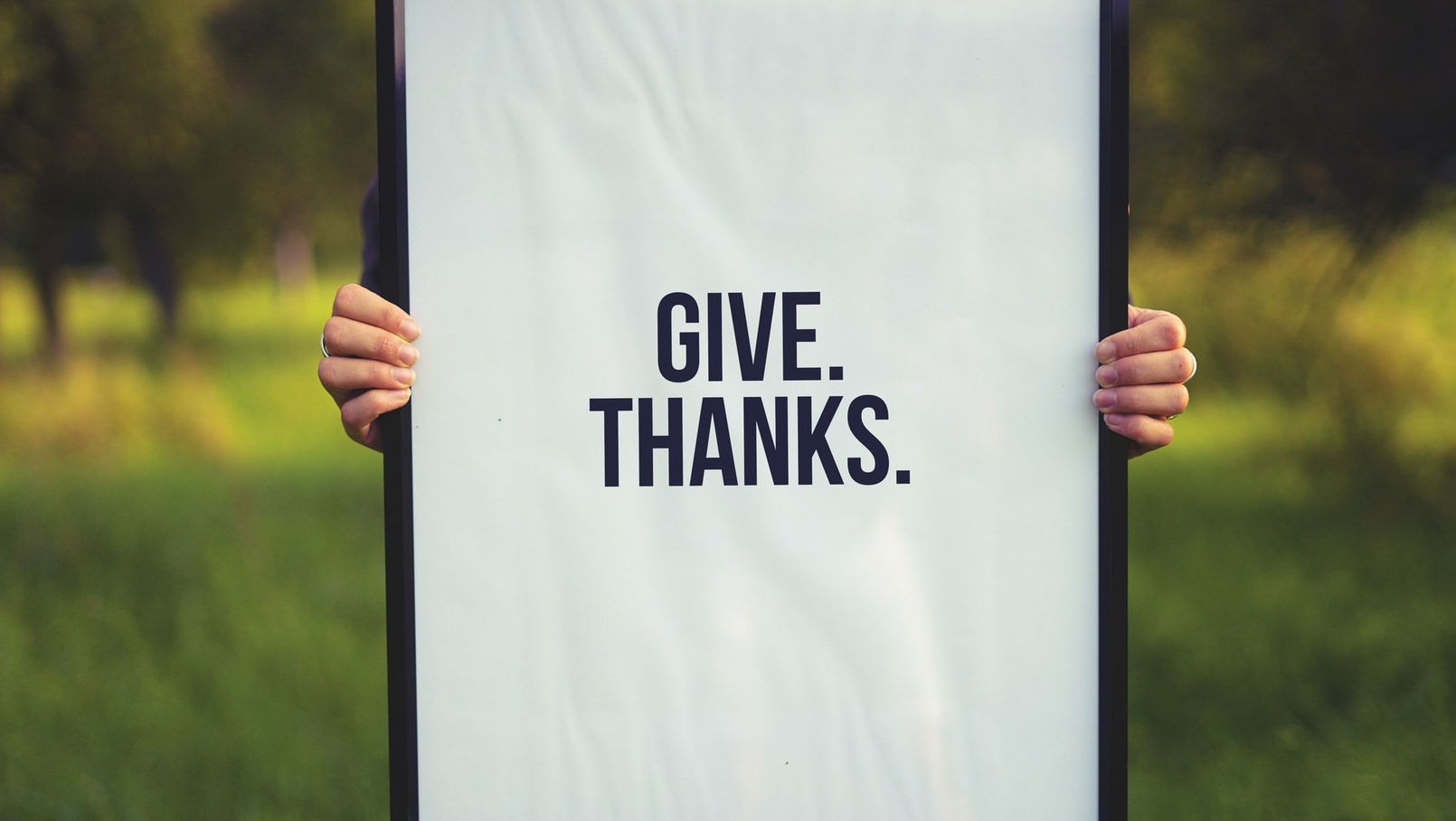
#3 – Accept a Challenge . The brain loves a good challenge. It loves puzzles, problems, mysteries, and conundrums. While not all students like to be challenged , the brain actually thrives when it is faced with a problem, scenario, or dilemma that needs to be solved. I tell students that the brain “lights up” when it is faced with something challenging. That is, the brain uses lots of resources, energy, and power to figure out a solution to the challenge. Plus, when we experience success at solving a problem, the brain rewards itself with the release of a neurotransmitter that makes us feel good. I also tell students that the next time they are given a challenge they should say, “Thank you.” They shouldn’t whine or complain about it. Rather, they should realize that challenges help the brain to grow and get smarter. Plus, I tell them that I only challenge the people in my life that I truly care about. If I don’t care about someone, I don’t care what they do. If I do care, I provide appropriate challenges where they can experience success, motivation, and the joy of learning.
Here is my free offer! Email me at bryan@bryan-harris.com and I will send you a pre-made PowerPoint presentation that outlines the 3 Ways to Take Care of Your Brain. It is the exact student version I use and it is yours free, just by sending me an email!
Resources:
To learn more about the effect of sleep on the brain, check out the book Brain Rules by John Medina.
To learn more about the effect of diet on the brain, check out Brain Foods for Kids by Nicola Graimes.
To learn more about the role of exercise and the brain, check out Spark by John Ratey.
For a great overall resource for teaching students about the brain, check out Eric Chudler’s website.